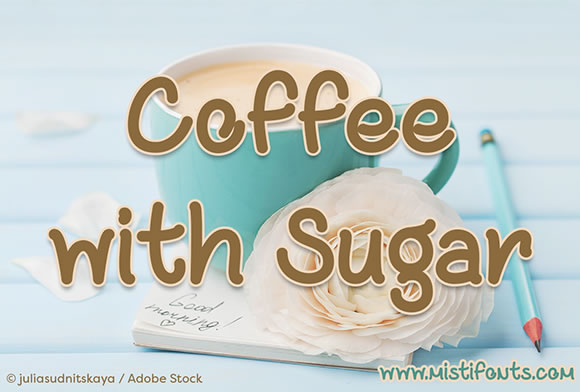
Coffee with Sugar: A Handwritten Typeface for Editorial Design
In the world of publishing and digital content, the difference between a flat layout and an engaging publication often comes down to typography. As an editorial designer who spends countless hours curating layouts for magazines, ebooks, and newsletters, I have learned that every typeface tells a story before a single word is read. When I discovered Coffee with Sugar by Misti s font, it immediately stood out as a versatile script font capable of bringing warmth and personality to any project.
This display font is not merely decorative; it is a tool for establishing visual hierarchy and reader engagement. Whether you are designing a cover for a lifestyle magazine or creating a lead magnet for a coaching business, the right handwritten font can transform sterile text into a welcoming experience. Coffee with Sugar sits comfortably within the Script Amp category, offering a blend of modern typography and classic charm that fits seamlessly into today's diverse design landscape.
The Personality of Coffee with Sugar in Editorial Layouts
Visual tone is critical when building a brand identity. Coffee with Sugar exudes a casual yet sophisticated vibe, reminiscent of a morning journal entry or a handwritten note left on a kitchen counter. This creative font features fluid strokes and natural variation that mimic the act of writing with a pen. Unlike rigid, uniform scripts, this typeface feels organic, adding a human touch to digital screens and printed pages alike.
For bloggers and independent publishers, this personality is invaluable. It breaks the monotony of standard body text and draws the eye to key moments in your narrative. When used for article headings or section titles, it signals to the reader that the following content is personal, curated, and crafted with care. The font's design supports a mood of relaxation and authenticity, making it an excellent choice for lifestyle blogs, wellness guides, and creative portfolios.
However, the strength of Coffee with Sugar lies in its restraint. It is designed to be a focal point rather than a background element. In an era where readers scan content quickly, using this modern typography style for headlines allows you to capture attention instantly without overwhelming the user interface.
Ideal Applications for Headings and Branding
While this commercial font offers great versatility, it is best utilized for specific typographic roles within your design system. It excels as a primary display font for:
- Magazine Covers: The bold, expressive nature of the script makes it perfect for main titles, creating an immediate emotional connection with potential readers.
- Ebook Titles and Chapter Openers: Use it to introduce new sections in a workbook or guide, setting a distinct tone for each chapter.
- Newsletter Graphics: Incorporate it into email headers or social media graphics to boost open rates through visual appeal.
- Quote Graphics: Highlight pull quotes or testimonials with this script font to emphasize important insights.
- Printable Materials: Worksheets, planners, and checklists benefit from the friendly aesthetic, making them feel less like forms and more like tools.
It is important to note that Coffee with Sugar is generally better suited for titles, subtitles, and accent typography rather than long-form body copy. While beautiful, the cursive flow of a handwritten font can reduce legibility when reading dense paragraphs on small mobile screens. By reserving it for short bursts of text, you maintain high readability while still enjoying its stylistic benefits.
Building Visual Hierarchy and Reader Engagement
Effective editorial design relies heavily on the relationship between different typefaces. A well-structured layout guides the reader's eye from the most important information to the supporting details. Coffee with Sugar plays a pivotal role in this hierarchy by acting as the anchor for your visual structure.
When paired correctly, this font creates a dynamic contrast that keeps the reader interested. For instance, pairing the flowing lines of Coffee with Sugar with a clean serif font for body text creates a classic, literary feel. This combination works exceptionally well for book covers, poetry collections, and long-form articles where tradition meets modern aesthetics. Alternatively, combining it with a crisp sans serif font for captions, navigation menus, and data points offers a contemporary look suitable for tech blogs, fashion magazines, and corporate newsletters.
This strategy ensures consistency across your publication. If you are creating a series of digital products, such as a course workbook or a monthly planner, using Coffee with Sugar as your consistent header style helps build a recognizable brand identity. Readers will begin to associate the distinctive look of the script with the quality of your content, fostering trust and loyalty.
Practical Examples Across Content Types
To understand the full potential of this design asset, consider how it functions in various real-world scenarios:
- Lifestyle Blog Headers: A food blogger might use Coffee with Sugar for recipe names, giving the page a cozy, homemade atmosphere that encourages users to stay longer.
- Wedding Guides: For a wedding planning ebook, this typeface adds a romantic and elegant touch to the title page and section dividers.
- Coaching Workbooks: A life coach could use the font for motivational quotes and worksheet titles, making the exercises feel encouraging rather than clinical.
- Digital Magazines: Editors can utilize it for feature story headlines, allowing the typography to reflect the unique voice of the journalist.
- Creator Newsletters: Substack writers or newsletter creators can use it in their logo design or subject line graphics to stand out in a crowded inbox.
Technical Considerations for Print and Digital
Before integrating Coffee with Sugar into your workflow, it is essential to evaluate its technical specifications. Check the included styles, alternates, ligatures, and weights provided in the package. High-quality fonts often include multiple character sets and special glyphs that enhance the flow of text. For example, alternate swashes or connected letterforms can make your headlines look even more polished when used in large sizes.
Regarding multilingual support, verify if the font includes extended Latin characters if you plan to publish content for international audiences. Many premium fonts now offer broad language support, which is crucial for global publications.
When preparing files for export, consider the medium. For web design and screen reading, ensure you convert the text to outlines or use web-safe embedding methods to preserve the look of the script font. On mobile layouts, test the size carefully; because the letters connect, they may need to be slightly larger than block text to remain legible. For print projects, such as brochures or books, the vector nature of the file ensures sharp edges at any resolution, making it ideal for high-quality packaging design or logo design.
Licensing and Commercial Use
As a creator, understanding the legal framework of your design assets is just as important as the design itself. Always review the commercial license for Coffee with Sugar to ensure compliance. Most licenses allow for use in client publications, paid newsletters, and digital downloads, but some may restrict usage in certain contexts like merchandise or extensive broadcasting.
If you are selling templates, ebooks, or printable guides, having a clear commercial license protects both you and your clients. Using a properly licensed creative font ensures that your work remains professional and legally sound. Whether you are launching a new magazine or updating your blog's branding, investing in a high-quality typeface like Coffee with Sugar is an investment in the overall quality of your content.
By thoughtfully applying this display font, you create a cohesive visual language that resonates with your audience. It bridges the gap between digital efficiency and the warmth of analog design, proving that typography is the backbone of compelling storytelling.